Interviews

Antanas Šimkus: “Poetry Means Being Myself”

Your poetic attitude separates you from your contemporaries (especially the younger writers). You maintain a close relationship to the literary tradition without seeking novel or (post)postmodern means of expression. Would you agree to be called a poet-lyricist? Does poetry mean encoding and transmitting personal thoughts, experiences, and observations? Poetry means being myself. The form that

Antanas Šimkus: “Poetry Means Being Myself” Read More »
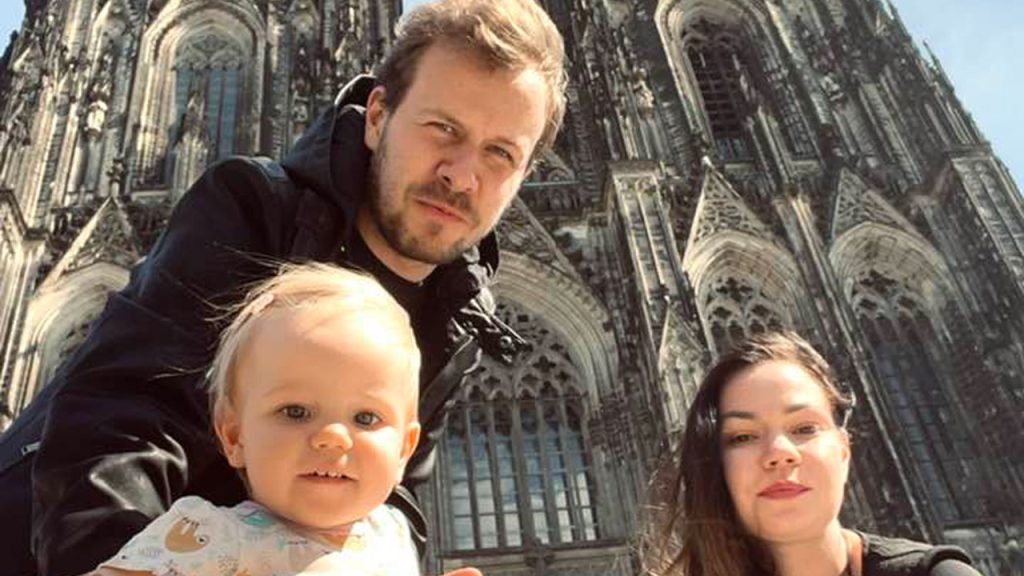
Kerry Shawn Keys: “I didn’t have that conscious discipline and I like the way it turned out.”

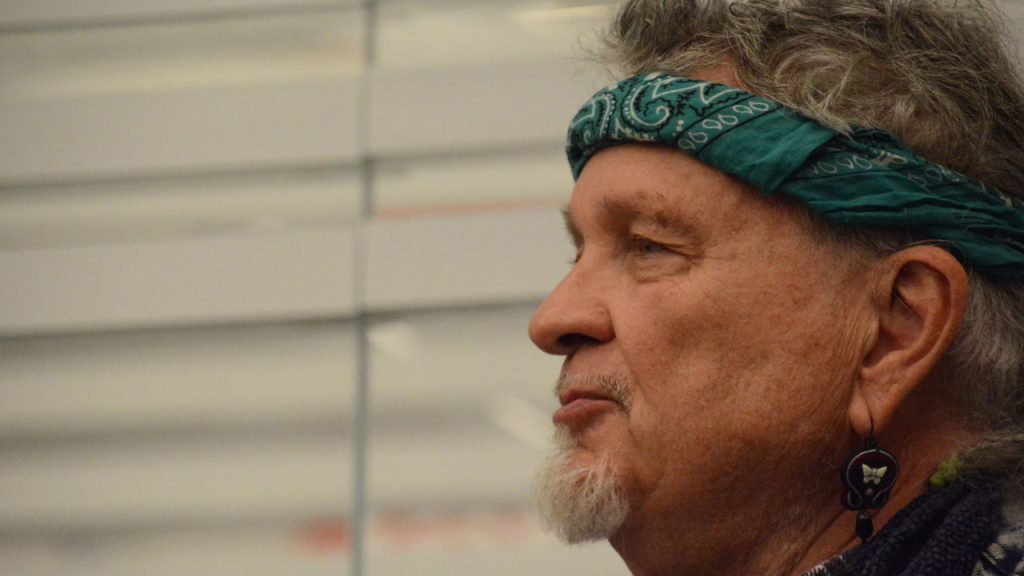
Kerry Shawn Keys, born in 1946 in Harrisburg, Pennsylvania, USA, is an American poet and translator who moved to Vilnius after spending many years between the continents of both Americas, Asia, and Europe. He has more than forty books of poetry to his name and some twenty translated titles under his belt. He was a

Kerry Shawn Keys: “I didn’t have that conscious discipline and I like the way it turned out.” Read More »

Valdas Papievis: “I must spend long periods of time doing nothing to get in the mood for writing”

My first meeting with writer Valdas Papievis, currently a resident of Paris, occurred during his sojourn in Vilnius in late summer. We met – symbolically – at an outdoor café near the monument to Romain Gary. We discussed many matters over a glass of wine but eventually decided that the questions for this interview best

Valdas Papievis: “I must spend long periods of time doing nothing to get in the mood for writing” Read More »

Paulina Pukytė: “To me art, including writing, is a game, a provocation.”

Artist, writer, and curator Paulina Pukytė is one of the most original Lithuanian artists, navigating the fringes of literature and art. Her works are provocative, ironic, intertextual, and aimed at deconstructing myths and clichés. Pukytė presents a unique vantage point for observing society and guides us to reconsider our notions of literature, the functions we

Paulina Pukytė: “To me art, including writing, is a game, a provocation.” Read More »

Antanas A. Jonynas: “As you go through life, you see the world repeating itself.”

Since after the release of your latest book you have been frequently interviewed, I’ve been wondering how to begin our conversation. I am interested in your habits, rituals, and daily life as a poet. Is your usual schedule structured and shaped, like a sonnet, or is there room left for improvisation and spontaneity? To be

Antanas A. Jonynas: “As you go through life, you see the world repeating itself.” Read More »

Vaiva Grainytė: I feel like the quarantine made me return to my “inner roots”

We’re having this virtual chat during a worldwide lockdown—people are urged to stay inside, wear masks in public places, practice social distancing, and take any other necessary precautions. So I’d like to begin by asking you this: how do you spend your time in the midst of a slower world? Did all of this have

Vaiva Grainytė: I feel like the quarantine made me return to my “inner roots” Read More »

Vidas Morkūnas: “‘People on the margins’ and marginal situations always interested me”

Writer, poet, and translator Vidas Morkūnas could be presented as an author who, on the one hand, is somewhat distant from the Lithuanian literary center (at least in terms of publicity), and on the other, as someone who significantly expands and enlivens the literary field with his uniqueness and individuality. His ability to construct texts,

Vidas Morkūnas: “‘People on the margins’ and marginal situations always interested me” Read More »

Scroll to Top